Regenerative Organic Farming Coffee

Regenerative Organic Certified®

What is Regenerative
Organic Coffee?

Coffee grown in living soil, in harmony with nature.

Imagine soil so alive it seems to breathe in front of your eyes, enriched by rich volcanic minerals, hydrated by gentle rains and never-ending rivers. A land so rich, the quiet hum of renewal rises from the ground itself.

In these fields, farmers work with the land, without chemicals, pesticides, or synthetic shortcuts, treating each harvest as a pact with the earth rather than a transaction.

Regenerative organic coffee is born here, where biodiversity returns, rivers run clear, and the land grows stronger with every season. From this living soil, coffee beans grow and carry the story of agriculture as it should be, in tune with nature and connected to the subtle balance of life-giving forests and regenerative lands.

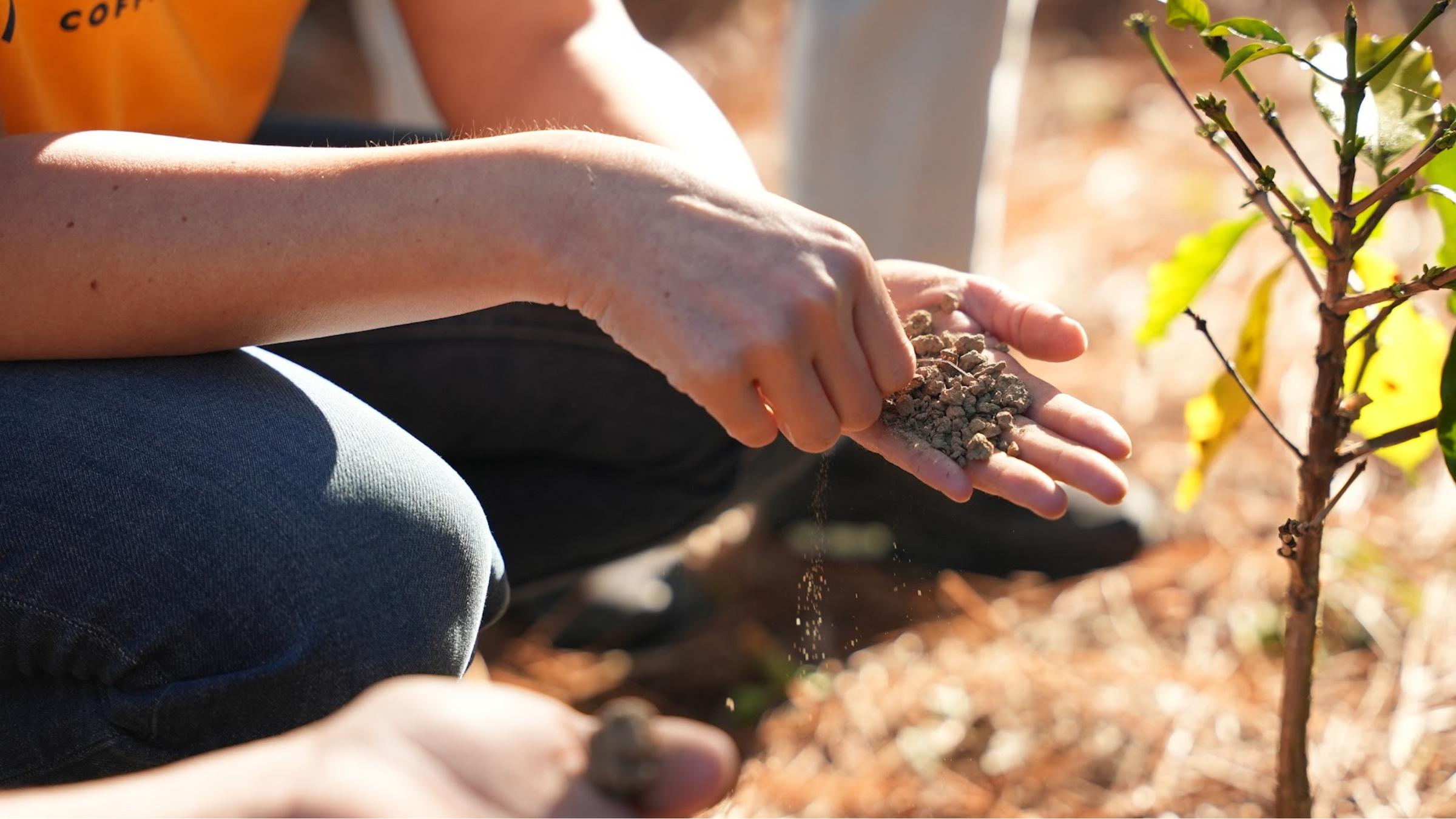
Unlike mass agriculture, which strips the land with monocrops, heavy machinery, and chemical shortcuts, regenerative organic farming works in harmony with nature. Farmers interplant diverse crops to restore balance, use natural compost to feed the earth, and allow native shade trees to protect wildlife and water.

Every step is intentional, every method designed to leave the soil richer than before and to honor the farmer’s craft.

Here, coffee is grown not as a commodity, but as a living ecosystem, delivering a cup that is cleaner, richer, and deeply connected to the earth itself.

Regenerative Organic Certified®

Pioneering
Regenerative Coffee

The world's first 100% Regenerative Organic Certified® coffee brand.

As the world's first 100% Regenerative Organic Certified® coffee brand, we've made it our mission to build meaningful relationships with the farmers, farmworkers, and landscapes that produce our award-winning coffees.

We believe extraordinary coffee begins long before the roast. It starts in healthy soil, thriving ecosystems, and farming communities that are empowered to care for the land for generations.

By working directly with regenerative farming partners across the globe, we're helping support agricultural systems that restore biodiversity, strengthen rural communities, and leave the land healthier with every harvest.

Every bag of Heirloom coffee represents a shared commitment between farmers, roasters, and consumers to create a more sustainable future through coffee.

Pioneering regenerative coffee farming
Protecting the future through regenerative agriculture

Regenerative Organic Certified®

Protecting
the Future

The gold standard for the future of agriculture.

To ensure a vibrant future for agriculture, food systems, and the communities that depend upon them, we believe Regenerative Organic Certification® represents the path forward.

More than a certification, it is a commitment to farming practices that restore soil health, strengthen biodiversity, protect waterways, and support the wellbeing of farmworkers and rural communities.

While conventional agriculture often focuses on short-term yields, regenerative agriculture is designed to leave the land healthier, more resilient, and more productive for future generations.

It is the gold standard for protecting your health, preserving the soil, restoring ecosystems, and ensuring that the farms producing our food continue to thrive for decades to come.

Why Regenerative Organic Certified®?

Tillage equipment destroys the structure of the soil and the soil microbiome. Minimal soil disturbance maintains soil biology and structure, retains water, prevents erosion, and carbon loss.

Regenerative Organic Alliance infographic: Minimal soil disturbance benefits for sustainable farming
Minimal Soil Disturbance

Keep the land covered with living vegetative cover, crop residues or mulch year-round. Using diverse and nitrogen-fixing cover crops drawdown carbon, return nutrients to soil, control pests, prevent erosion, and decrease weeds.

Regenerative Organic Alliance infographic: Year-round vegetative cover for soil and environmental benefits
Vegetative Cover

Planting different crops sequentially on the same plot of land to improve soil health, optimize nutrients in the soil, and combat pest and weed pressure.

Regenerative Organic Alliance infographic: Crop rotation benefits for soil health and pest management
Crop Rotation

Land is spared from toxic chemicals and soil ecology is sustained; fertility and pest-control are achieved by composting and rotating in beneficial plants, animals, and insects.

Regenerative Organic Alliance infographic: Benefits of avoiding synthetic fertilizers and pesticides
Compst Vs. Synthetics
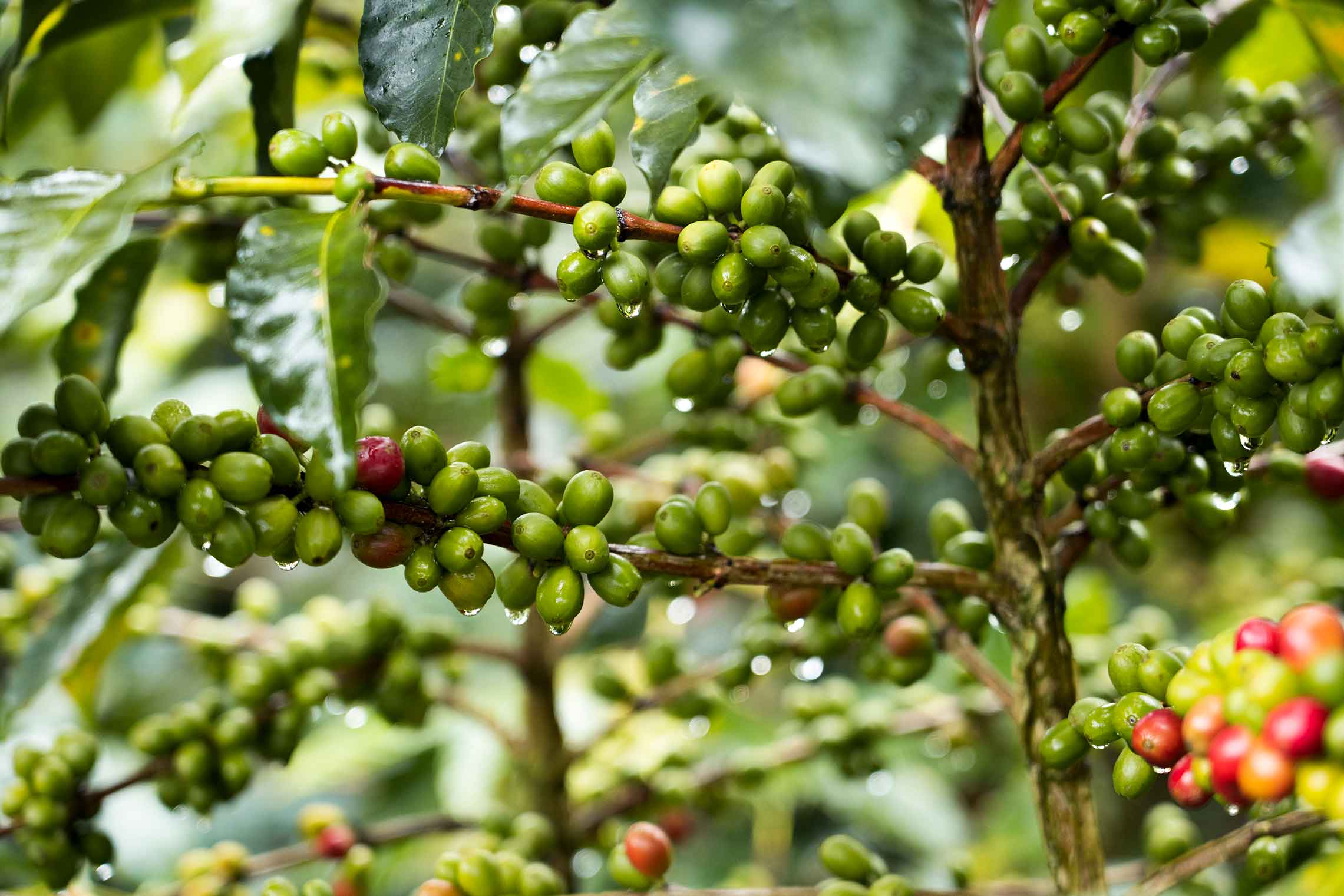
Ripe coffee cherries growing on branches at Heirloom partner farm