
Certifications Alone Can't Guarantee Purity

Third-Party Lab Tested For

EVERY SINGLE BATCH TESTED

Glyphosate & Pesticides | Heavy Metals | Molds | Toxins

At Heirloom, purity isn't a marketing gimmick. It's a promise that's measured, verified, and validated in every roast. Most coffees on the shelf today, even those labeled USDA Organic, come with hidden risks like mold, toxins, pesticides, and glyphosate. These contaminants can find their way into poorly handled coffee beans and through fragmented supply chains where quality control is often outside the brand's control.

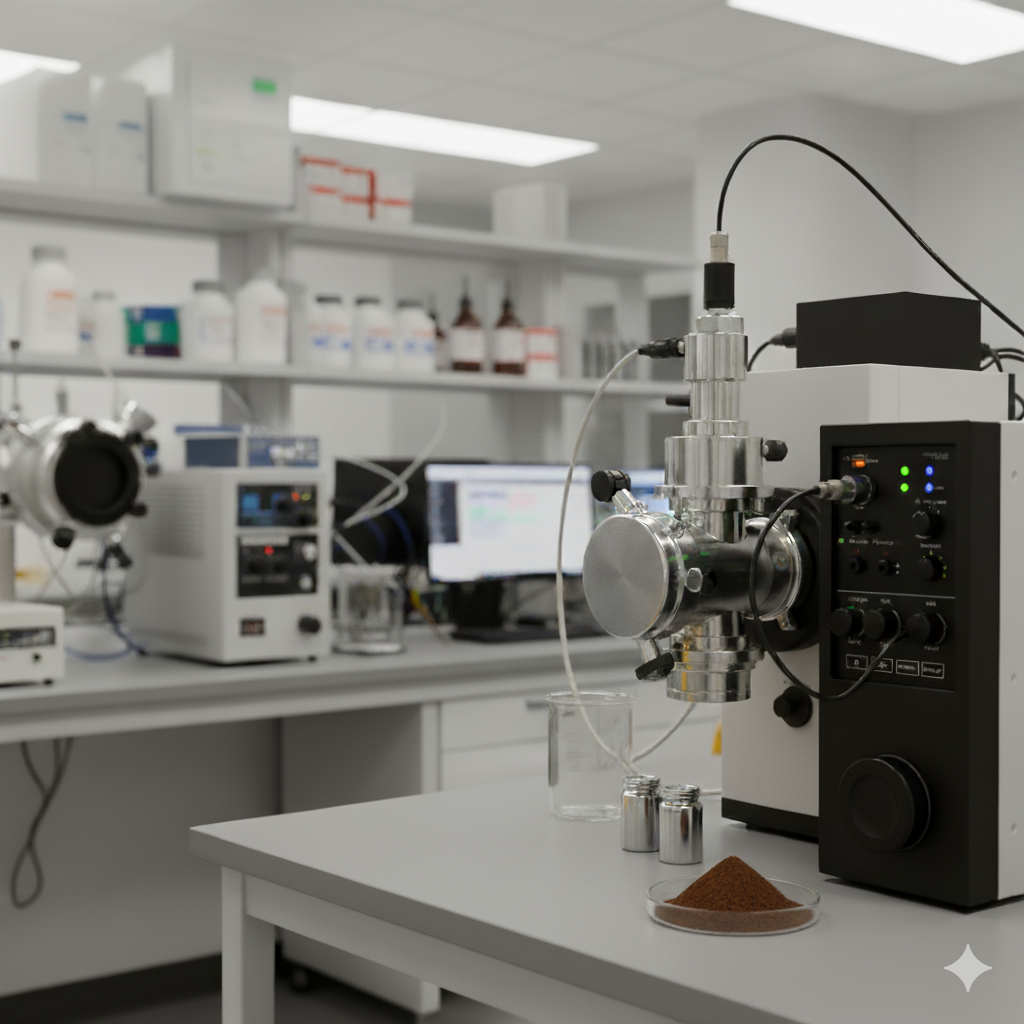
Every single lot of Heirloom coffee undergoes rigorous third-party laboratory testing to verify purity, transparency, and quality before it reaches your cup.

No shortcuts. No residue. Just uncompromising clarity in your home and your cup.

Regenerative Organic Certified®

Rooted in Regeneration

Every great cup begins with extraordinary soil.

We source exclusively from Regenerative Organic Certified® farms, where living soil, biodiversity, and farmer wellbeing are central to every harvest.

These aren't commodity beans shuffled through anonymous supply chains. They're traceable, vibrant, and cultivated through farming practices designed to restore ecosystems while producing exceptional coffee.

By partnering directly with regenerative farmers, we ensure every coffee we roast reflects a commitment to healthier soil, healthier communities, and a healthier future.

The result is coffee grown with reverence, transparency, and respect for the land that makes it possible.

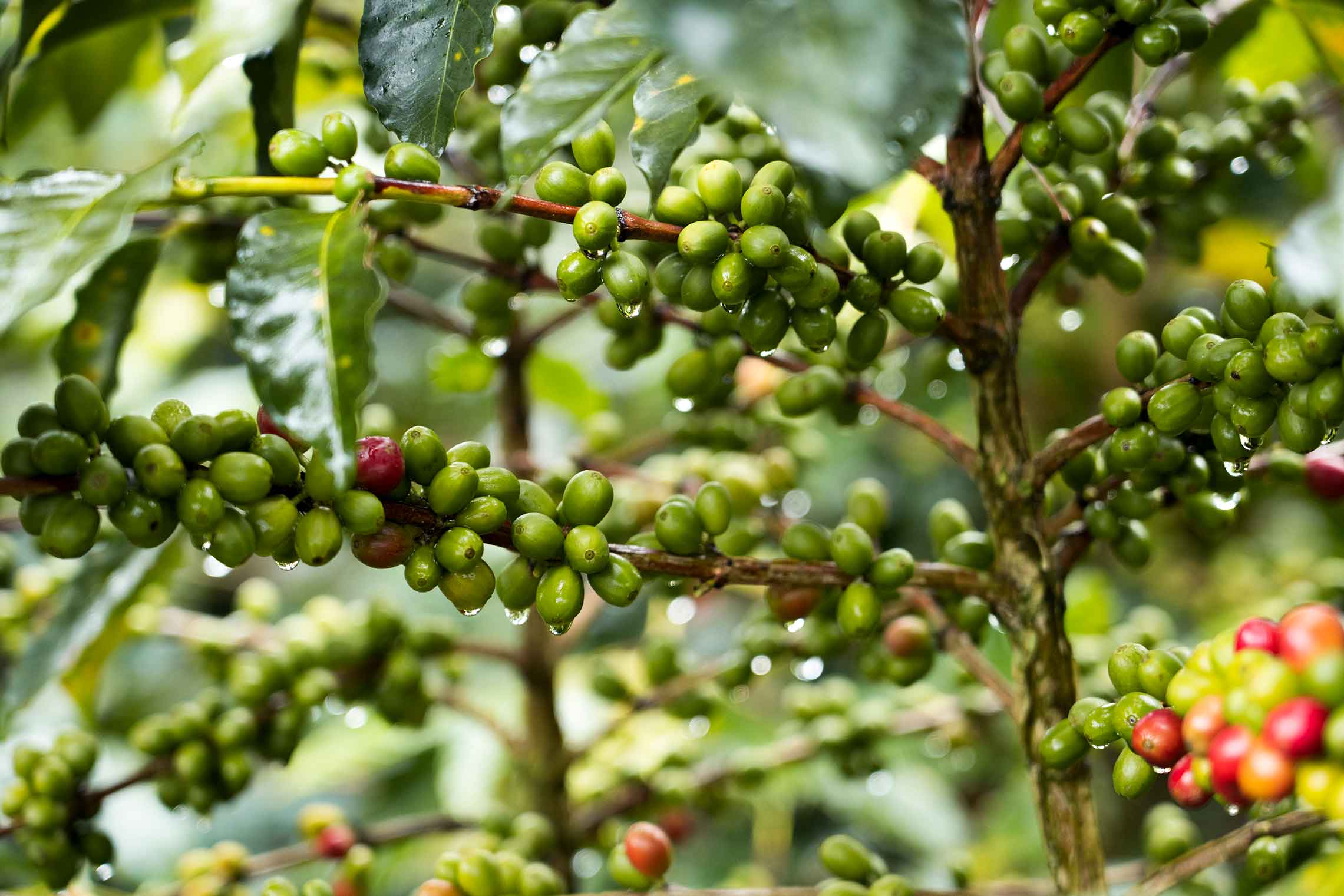
Regenerative Organic Certified coffee roots
The Culinary Roast coffee process

The Culinary Roast™

Roasted with Purpose

Inspired by the kitchen, not the factory.

We roast and package every bean within minutes in our own roasting facility, locking in freshness, preserving complexity, and protecting the integrity of every coffee we produce.

Unlike most coffee brands, we never rely on third-party contract roasters or outside packaging facilities. Every step remains under our control, ensuring consistency from green coffee to finished bag.

The Culinary Roast™ process was born from the kitchen, not the factory. Inspired by fine dining chefs and decades of roasting tradition, it approaches coffee the way great chefs approach ingredients: with precision, patience, and respect for the raw material.

Each batch is carefully crafted to maximize sweetness, balance, body, and depth, creating a layered sensory experience that reveals the true character of the coffee rather than masking it behind dark roasting or marketing hype.

Clean Craft™ Transparency

Triple Tested.
Triple Verified.

Three times the testing. Three times the purity.

We third-party lab test every lot of our coffee not just once or twice, but three separate times throughout the supply chain.

Once at origin before the coffee ships. Once again when it arrives at port in the United States before it enters our roastery. And finally, after roasting, before it ever reaches your home or your cup.

In addition, every roasted SKU is tested at least once every quarter, creating a continuous verification system that no other coffee company can match.

This is the only way to ensure your morning cup is as clean and pure as the mountain soil where the coffee was grown, free from synthetic chemicals, pesticides, herbicides, mold, mycotoxins, and other unwanted contaminants.

Heirloom Coffee laboratory testing

What We Test For

MYCOTOXINS

  • Aflatoxin B1
  • Aflatoxin B2
  • Aflatoxin G1
  • Aflatoxin G2
  • Ochratoxin A

HEAVY METALS

  • Arsenic (As)
  • Cadmium (Cd)
  • Lead (Pb)
  • Mercury (Hg)

HERBICIDES

  • Glyphosate (LCMS)
  • Glyphosate Residue (AMPA)
  • Paraquat

PESTICIDES • MULTI-RESIDUE SCREEN (200+ ANALYTES)

  • Monceren (Pencycuron)
  • Hydroxycarbofuran
  • Abamectin
  • Acephate
  • Acetamiprid
  • Acibenzolar-S-methyl
  • Alanycarb
  • Aldicarb
  • Aldicarb sulfone
  • Aldicarb sulfoxide
  • Ametryn
  • Aminocarb
  • Amitraz
  • Azoxystrobin
  • Benalaxyl
  • Bendiocarb
  • Benfuracarb
  • Benzoximate
  • Bifenazate
  • Bitertanol
  • Boscalid
  • Bromuconazole
  • Bupirimate
  • Buprofezin
  • Butafenacil
  • Butocarboxim
  • Butoxycarboxim
  • Carbaryl
  • Carbendazim
  • Carbetamide
  • Carbofuran
  • Carboxin
  • Carfentrazone-ethyl
  • Chlorantraniliprole
  • Chlorfluazuron
  • Chlorotoluron
  • Chloroxuron
  • Clethodim
  • Clofentezine
  • Clothianidin
  • Cyazofamid
  • Cycluron
  • Cymoxanil
  • Cyproconazole
  • Cyprodinil
  • Cyromazine
  • Desmedipham
  • Diclobutrazol
  • Dicrotophos
  • Diethofencarb
  • Difenoconazole
  • Diflubenzuron
  • Dimethoate
  • Dimethomorph
  • Dimoxystrobin
  • Diniconazole
  • Dinotefuran
  • Dioxacarb
  • Diuron
  • Doramectin
  • Emamectin
  • Epoxiconazole
  • Eprinomectin
  • Etaconazole
  • Ethiofencarb
  • Ethiprole
  • Ethirimol
  • Ethofumesate
  • Etoxazole
  • Famoxadone
  • Fenamidone
  • Fenarimol
  • Fenazaquin
  • Fenbuconazole
  • Fenhexamid
  • Fenobucarb
  • Fenoxycarb
  • Fenpropimorph
  • Fenpyroximate
  • Fenuron
  • Fipronil
  • Flonicamid
  • Fluazinam
  • Flubendiamide
  • Fludioxinil
  • Flufenacet
  • Flufenoxuron
  • Fluometuron
  • Fluoxastrobin
  • Fluquinconazole
  • Flusilazole
  • Flutolanil
  • Flutriafol
  • Forchlorfenuron
  • Formetanate HCl
  • Fuberidazole
  • Furalaxyl
  • Furathiocarb
  • Halofenozide
  • Hexaconazole
  • Hexaflumuron
  • Hexythiazox
  • Hydramethylnon
  • Imazalil
  • Imidacloprid
  • Indoxacarb
  • Ipconazole
  • Iprovalicarb
  • Isocarbophos
  • Isoprocarb
  • Isoproturon
  • Ivermectin
  • Kresoxim-methyl
  • Linuron
  • Lufenuron
  • Mandipropamid
  • Mefenacet
  • Mepanipyrim
  • Mepronil
  • Mesotrione
  • Metaflumizone
  • Metalaxyl
  • Metconazole
  • Methabenzthiazuron
  • Methamidophos
  • Methiocarb
  • Methomyl
  • Methoprotryne
  • Methoxyfenozide
  • Metobromuron
  • Metribuzin
  • Mevinphos
  • Mexacarbate
  • Monocrotophos
  • Monolinuron
  • Moxidectin
  • Myclobutanil
  • Neburon
  • Nitenpyram
  • Novaluron
  • Nuarimol
  • Omethoate
  • Oxadixyl
  • Oxamyl
  • Paclobutrazol
  • Paraquat
  • Penconazole
  • Phenmedipham
  • Picoxystrobin
  • Piperonyl butoxide
  • Pirimicarb
  • Prochloraz
  • Promecarb
  • Prometon
  • Prometryne
  • Propamocarb
  • Propargite
  • Propham
  • Propiconazole
  • Propoxur
  • Prothioconazole
  • Pymetrozine
  • Pyracarbolid
  • Pyraclostrobin
  • Pyridaben
  • Pyrimethanil
  • Pyriproxyfen
  • Quinoxyfen
  • Rotenone
  • Secbumeton
  • Siduron
  • Simetryn
  • Spinetoram
  • Spinosad
  • Spirodiclofen
  • Spiromesifen
  • Spirotetramat
  • Spiroxamine
  • Sulfentrazone
  • Tebuconazole
  • Tebufenozide
  • Tebufenpyrad
  • Tebuthiuron
  • Teflubenzuron
  • Temephos
  • Terbumeton
  • Terbutryn
  • Tetraconazole
  • Thiabendazole
  • Thiacloprid
  • Thiamethoxam
  • Thidiazuron
  • Thiobencarb
  • Thiofanox
  • Thiophanate-methyl
  • Triadimefon
  • Triadimenol
  • Trichlorfon
  • Tricyclazole
  • Trifloxystrobin
  • Triflumizole
  • Triflumuron
  • Triticonazole
  • Vamidothion
  • Zoxamide
Examples of Potential Health Effects Associated with Food Contaminants
ID Analyte / Topic Official Body Health Effect Summary Why We Test Messaging Guardrail Source
HLTH-01 Aflatoxins WHO Poisonous and carcinogenic; among the most toxic mycotoxins. Coffee is an agricultural product; key food safety concern. Avoid per-cup danger claims. WHO Source
HLTH-03 Ochratoxin A WHO Can cause kidney damage; relevant to coffee beans. Known coffee-related mycotoxin risk. No FDA-specific coffee limit implied. WHO Source
HLTH-05 Glyphosate EPA No risks of concern at allowed tolerance levels. Ensures compliance and transparency. Detection ≠ danger. EPA Source
HLTH-06 Paraquat EPA Highly toxic herbicide associated with severe health risks if improperly handled or excessively exposed to. Added transparency for herbicide screening. Presence does not indicate unsafe exposure levels. EPA Source
HLTH-07 Lead FDA Associated with kidney and neurological effects with chronic exposure. Important heavy metal screening. Do not imply direct health outcome. FDA Source
HLTH-08 Cadmium FDA Linked to bone, kidney, and cardiovascular issues. Part of standard contaminant screening. General toxicology, not dose-specific. FDA Source
HLTH-09 Arsenic FDA Long-term exposure linked to cancer and cardiovascular disease. Important contaminant panel inclusion. Avoid overstating coffee exposure risk. FDA Source
HLTH-11 Mold / Mycotoxins FDA Mold defects may indicate toxin risk. Screening ensures green coffee quality. Defects ≠ finished product limits. FDA Source
Ripe coffee cherries growing on branches at Heirloom partner farm